Quick note: If you’re here because you want to know exactly what I used to learn Pinterest, I’ve linked the roadmap I followed at the bottom of this post.
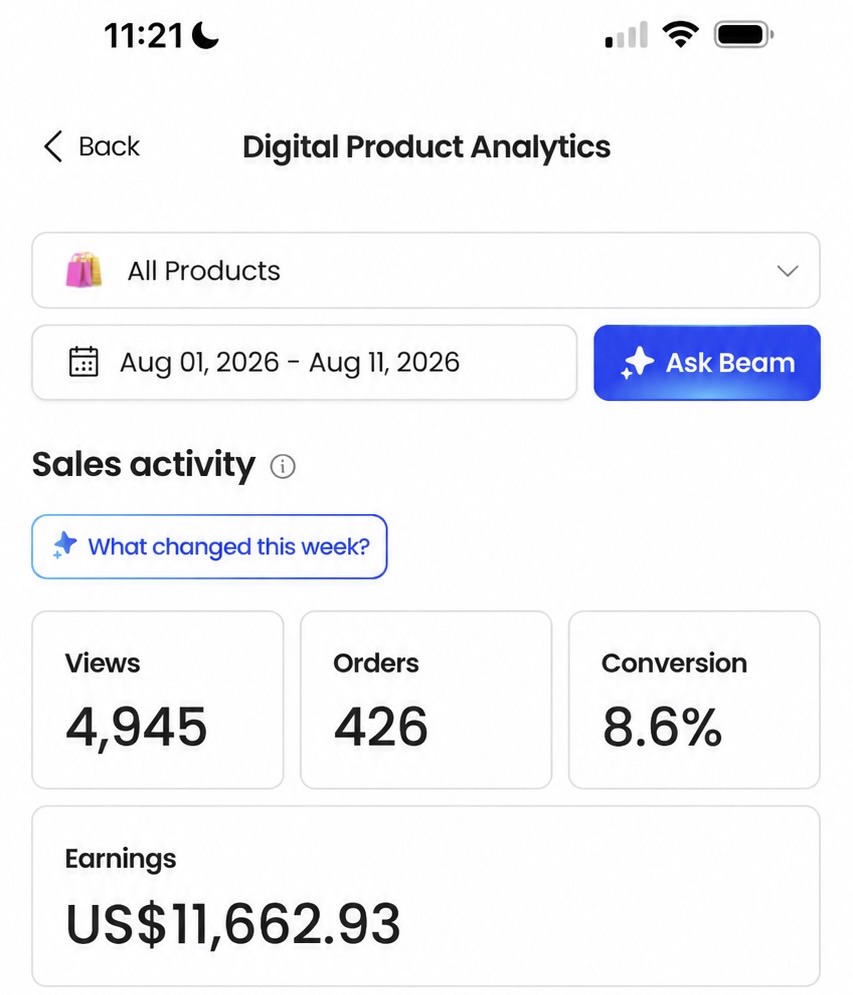
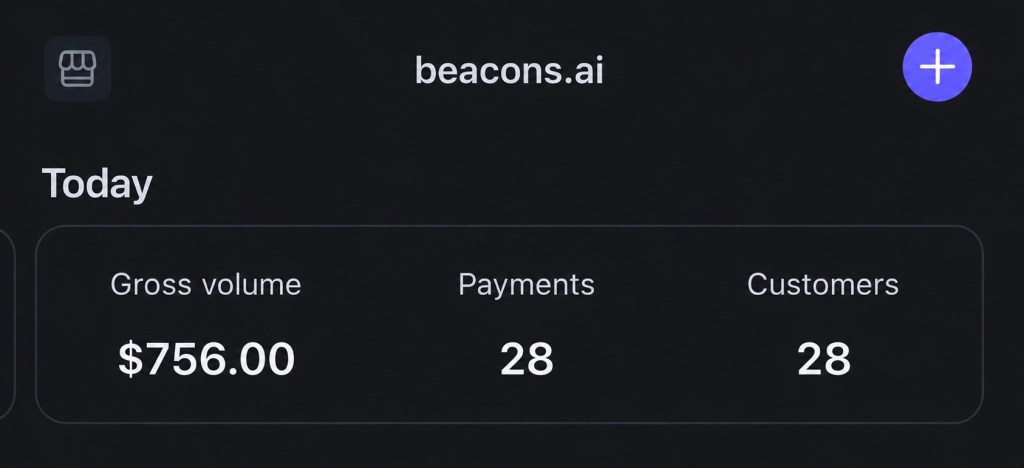
It’s August 12th, and Pinterest has already generated me over $11,000 this month.
Even writing that feels slightly ridiculous, because not that long ago I was trying to figure out whether Pinterest could actually become a real source of income for me.
I didn’t have a huge following. In fact, I currently only have about 77 followers. I wasn’t a Pinterest expert. And I definitely didn’t have some secret viral account.
What changed was learning to stop treating Pinterest like social media — and start treating it like a search engine.
I Stopped Caring About Followers
One of the biggest mindset shifts I made with Pinterest was realising that followers really don’t matter as much as you think they do.
When I first started, I assumed Pinterest worked like every other social media platform. More followers = more people seeing your content = more money.
But Pinterest doesn’t really work like that.
It’s a visual search engine. People open Pinterest because they’re actively looking for something — an outfit idea, a workout routine, a product recommendation, a way to make money online, a solution to a problem.
And that means someone doesn’t need to follow me to find my content.
In fact, I was generating thousands of dollars from Pinterest while having just 59 followers.
That completely changed the way I approached the platform.
Instead of asking, “How do I get more followers?” I started asking:
“How do I make sure my content appears when the right person searches for it?”
And that leads me to probably the biggest lesson I’ve learned from Pinterest…
I Became Obsessed With Being Searchable
Pretty pins are great. I love creating them.
But a beautiful pin that nobody can find isn’t going to do much for your business.
Once I understood that, Pinterest SEO became one of the biggest parts of my strategy.
I started paying attention to what people were actually searching for on Pinterest and intentionally using those keywords throughout my content — in my pin titles, descriptions, boards and the topics I created content around.
Instead of just creating something I thought people might like, I started creating content around things I already knew people were looking for.
That distinction is HUGE.
Pinterest suddenly stopped feeling like I was throwing content into the void and hoping something went viral.
I was creating content with a purpose.
And because Pinterest content can continue appearing in search results long after you post it, one pin has the potential to keep sending people to your website for weeks or even months.
That’s one of the reasons I fell in love with the platform.
I didn’t want another business where I had to be online constantly just to keep getting traffic.
I wanted to build something that could keep working even when I wasn’t.
I Started Creating Pins People Actually Wanted to Click
Another lesson I learned pretty quickly?
Views are not the same thing as money.
It’s exciting watching your Pinterest impressions climb — but if nobody is leaving Pinterest and clicking through to your content, those numbers don’t necessarily translate into income.
So I stopped focusing purely on making pins that looked good. I started thinking about the person scrolling.
What would make her stop?
What would make her curious?
What problem is she trying to solve?
And most importantly:
What would make her actually click?
That changed everything from the images I used to the titles I put on my pins.
Instead of vague inspirational content, I started creating pins with a clear reason to click: a result, a transformation, a question they wanted answered or information they genuinely wanted to know.
Pinterest started becoming less about chasing views and more about attracting the right traffic.
And that traffic is what ultimately matters.
I Stayed Consistent Long Enough for Pinterest to Compound
This is the part that isn’t quite as exciting to talk about, but it might be the most important.
I stayed consistent.
Pinterest wasn’t an overnight success for me.
There were days when I questioned whether I was wasting my time. There were pins I genuinely thought would perform amazingly that did absolutely nothing. There was a LOT of trial and error.
But I kept going.
I kept creating.
I kept studying what was working.
I kept improving my SEO.
And slowly, the numbers started moving.
That’s when I realised how different Pinterest is from the other platforms I’d used.
A post on traditional social media can disappear within hours. A Pinterest pin can continue being discovered long after you publish it.
So every new pin felt like adding another tiny doorway into my business.
One doorway might not change much.
But hundreds of them?
That’s when things start getting interesting.
And now, seeing Pinterest generate over $11,000 just 12 days into August, I’m very glad I didn’t quit during the stage where it felt like nothing was happening.
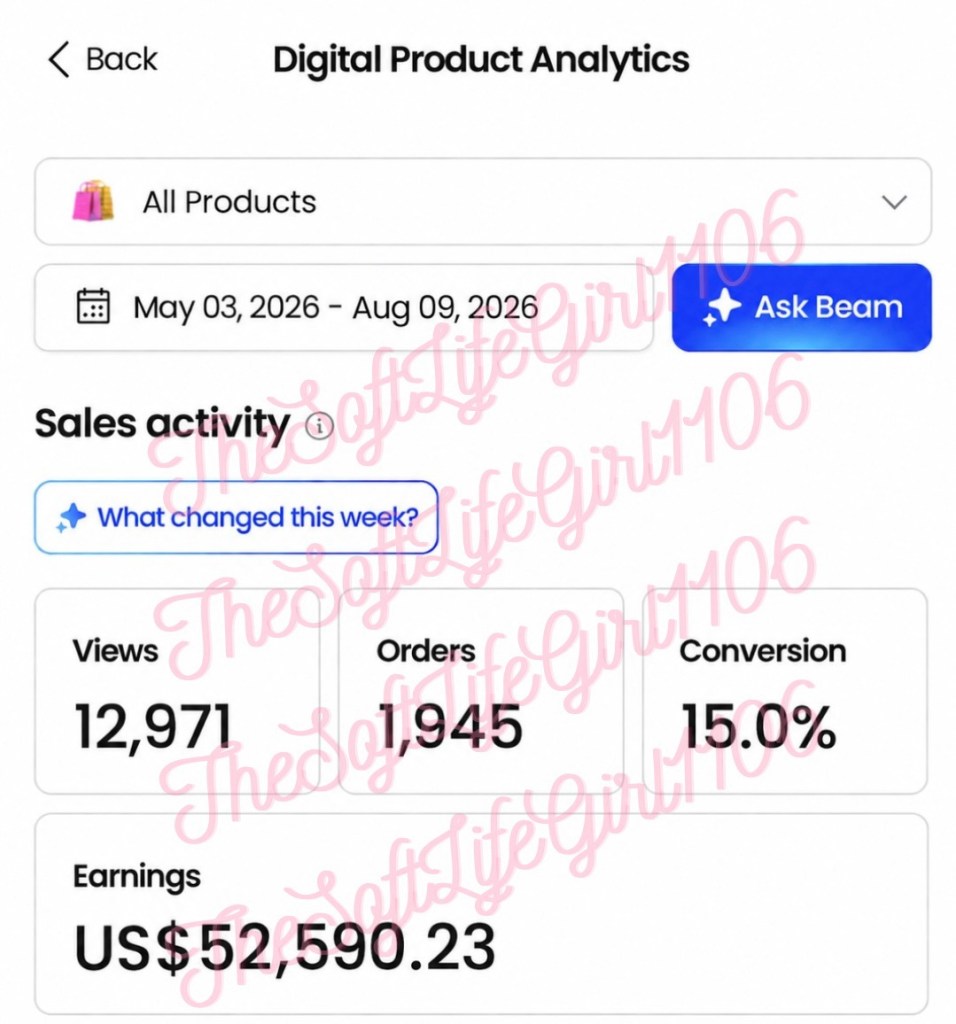
The Pinterest Resource That Helped Me Generate Over $52,000
One of the questions I get asked constantly is how I’m actually making money from Pinterest.
Over the last three months, I’ve generated over $52,000 using the Pinterest strategies I learned inside PinLab.
What I love about PinLab is that it doesn’t just teach you how to make pretty pins. It teaches you how to build a Pinterest strategy designed around traffic, clicks and monetisation.
You learn Pinterest SEO, keyword research, how to create click-worthy content and how to grow a Pinterest account strategically — even if you’re starting completely from scratch.
It also teaches you multiple ways to make money using Pinterest, from affiliate marketing and digital products to driving traffic to your own content and offers.
And one of the biggest things for me? You don’t need to show your face.
I’ve built my Pinterest brand faceless, and PinLab teaches you how to do the same, including how AI can be used to create content and streamline the process.
There’s also a community of over 1,200 members, so you’re surrounded by other people building and monetising their Pinterest accounts too.
PinLab gave me the roadmap, but I still had to implement it, test things and stay consistent. That’s why whenever someone asks me what I used to learn Pinterest, this is what I recommend.


Leave a Reply